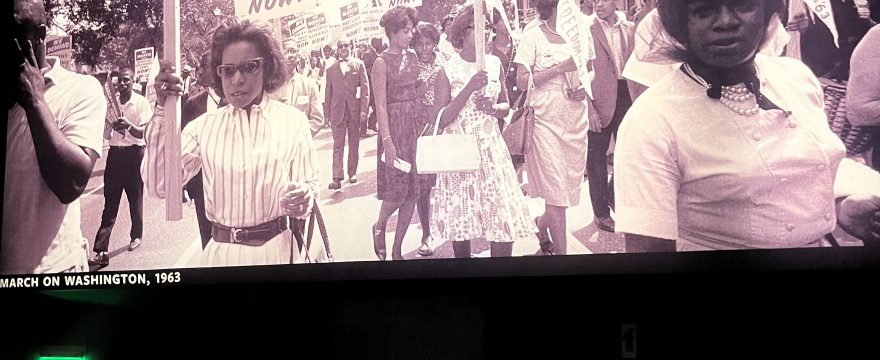
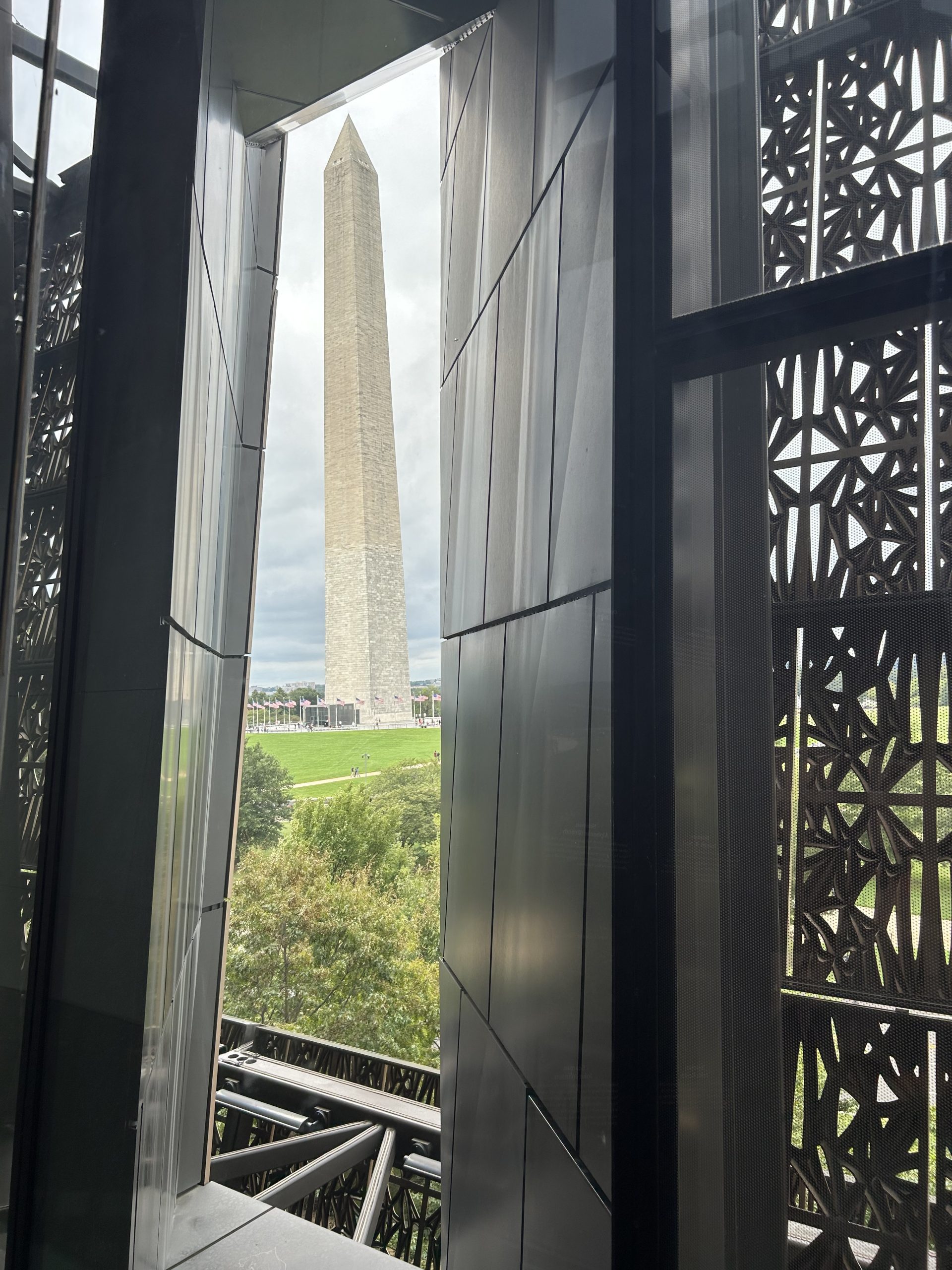
This Saturday, September 12, the Griot Institute took a group of students, faculty, and staff to the National Museum of African American History and Culture. The museum has three lower levels documenting African American history beginning with the origins of slavery in America, the fight for emancipation, and the Civil Rights movement up until contemporary African American culture. The top levels of the museum focus on African American art and immersive art experiences.
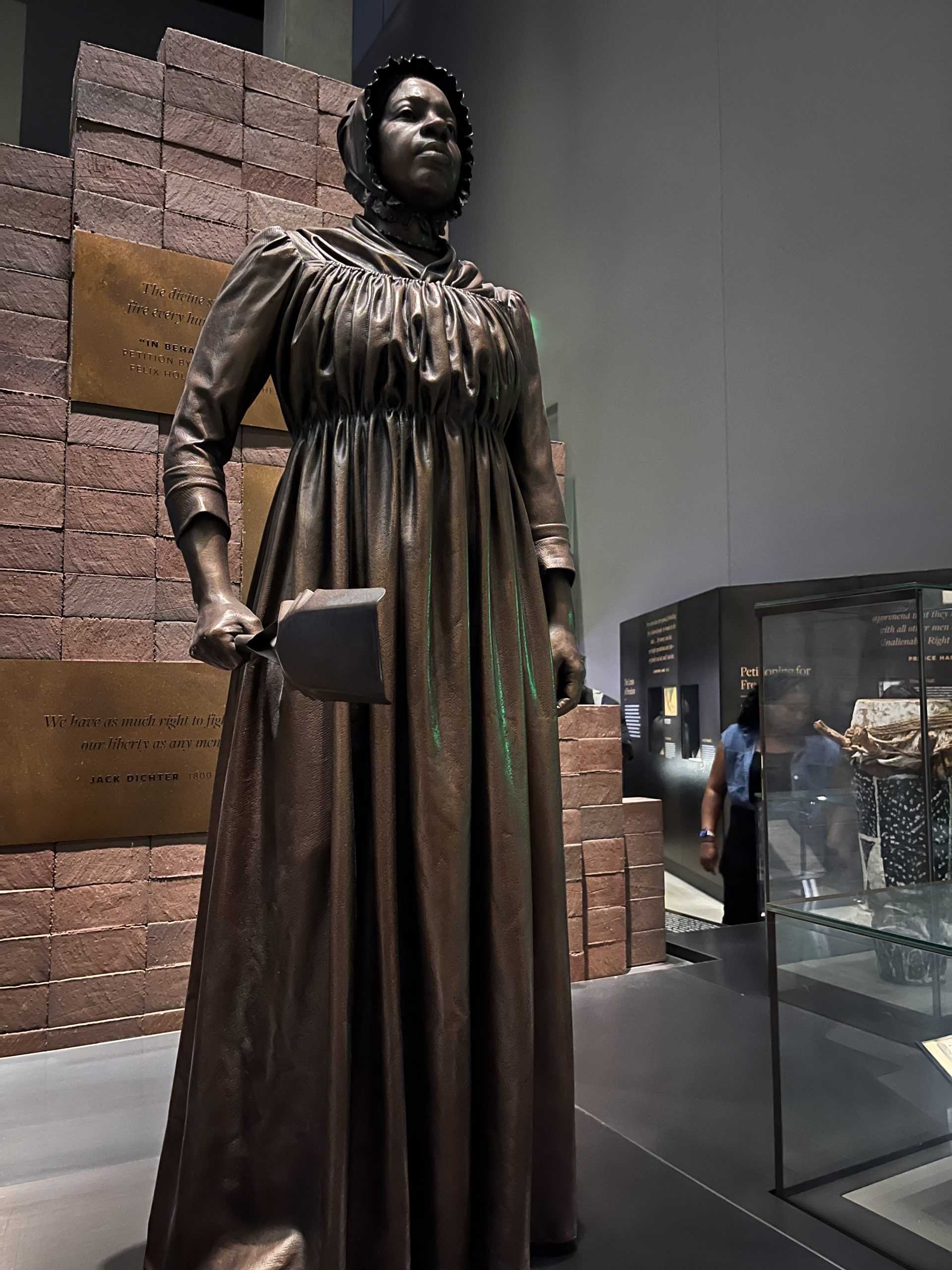
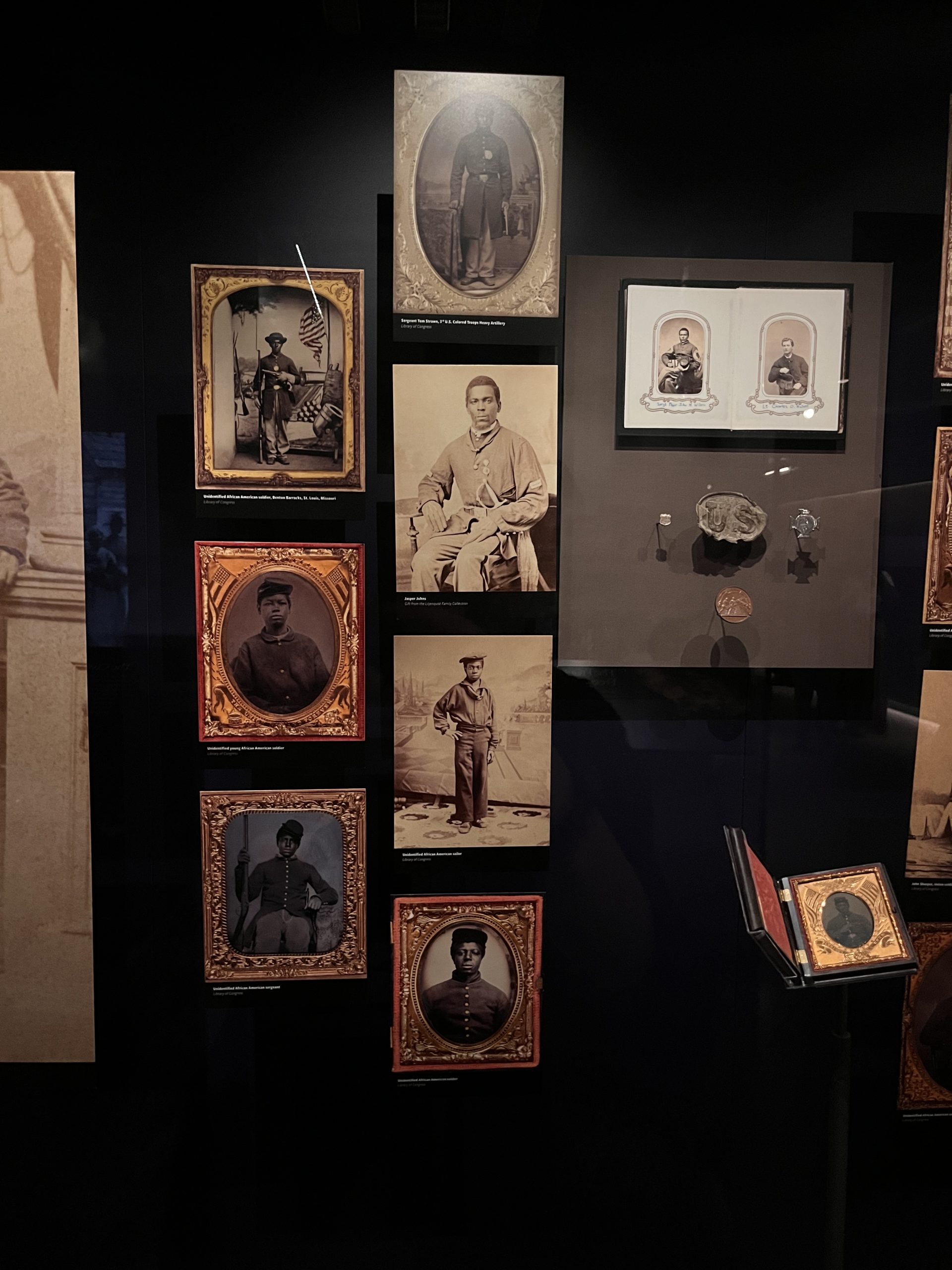
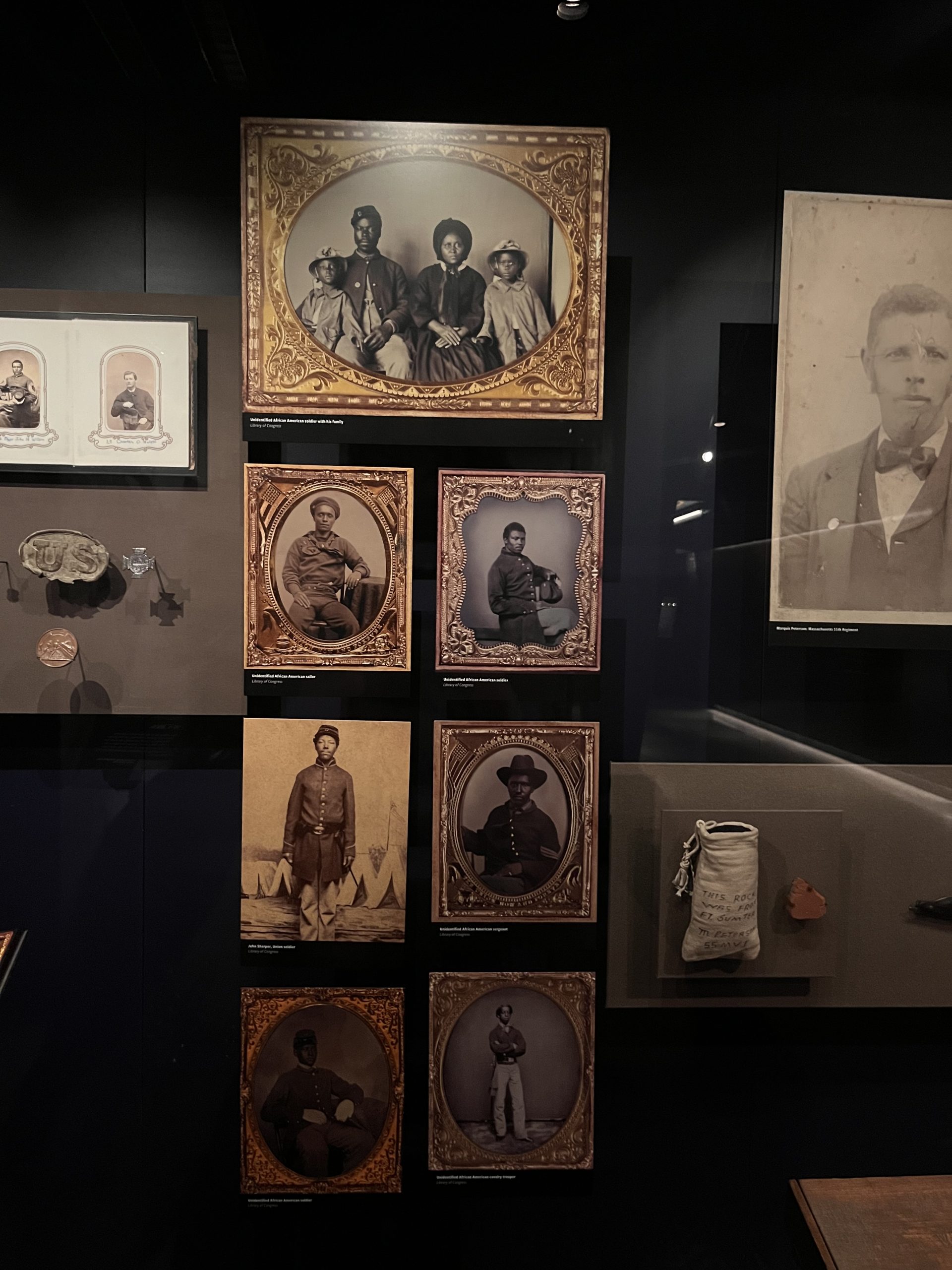
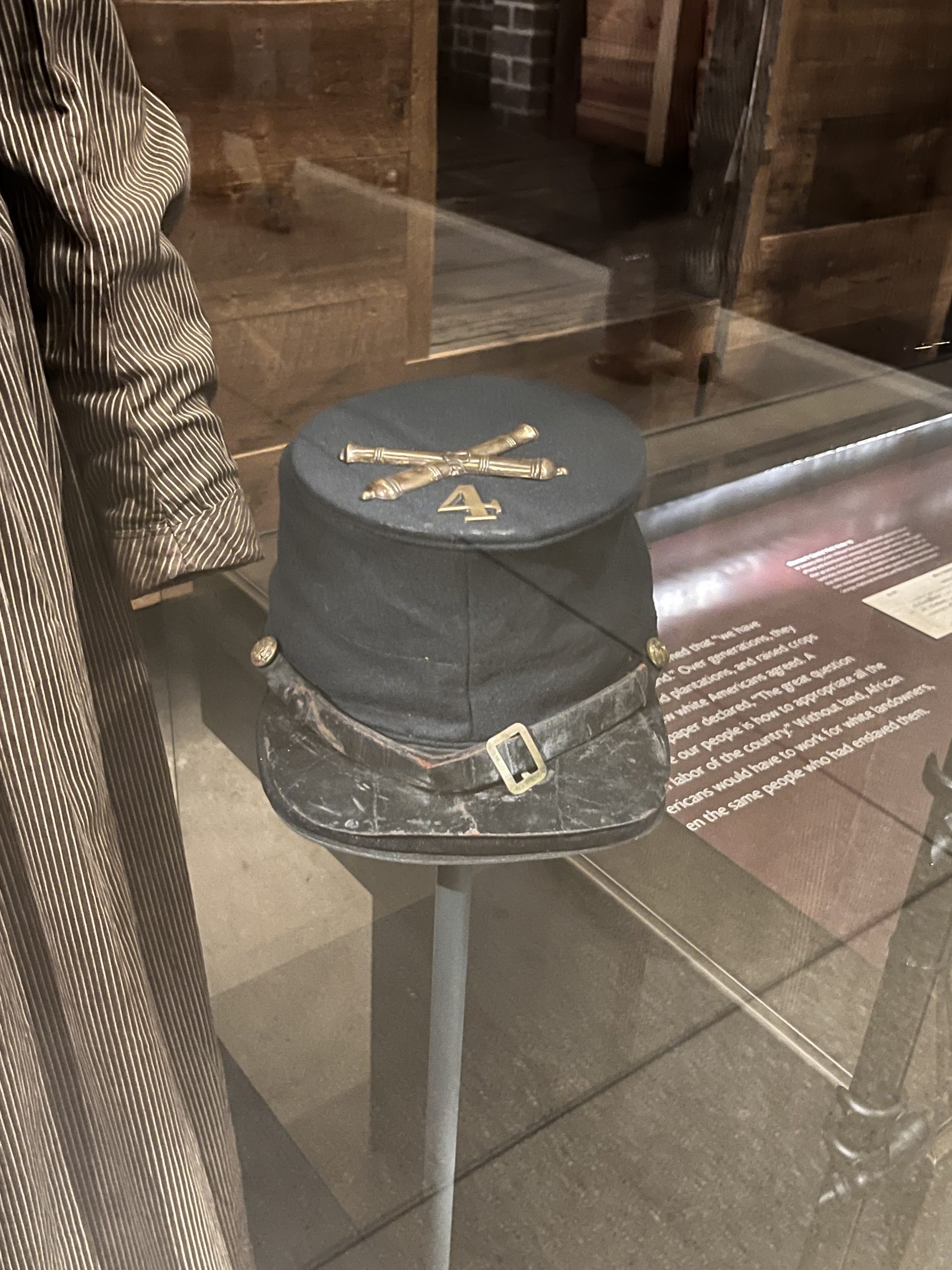
What I found the most personally interesting was all the information on the USCT. I have been doing research on this topic for the last year, so seeing real artifacts and physical tintype photos was a very meaningful, full circle moment to me.
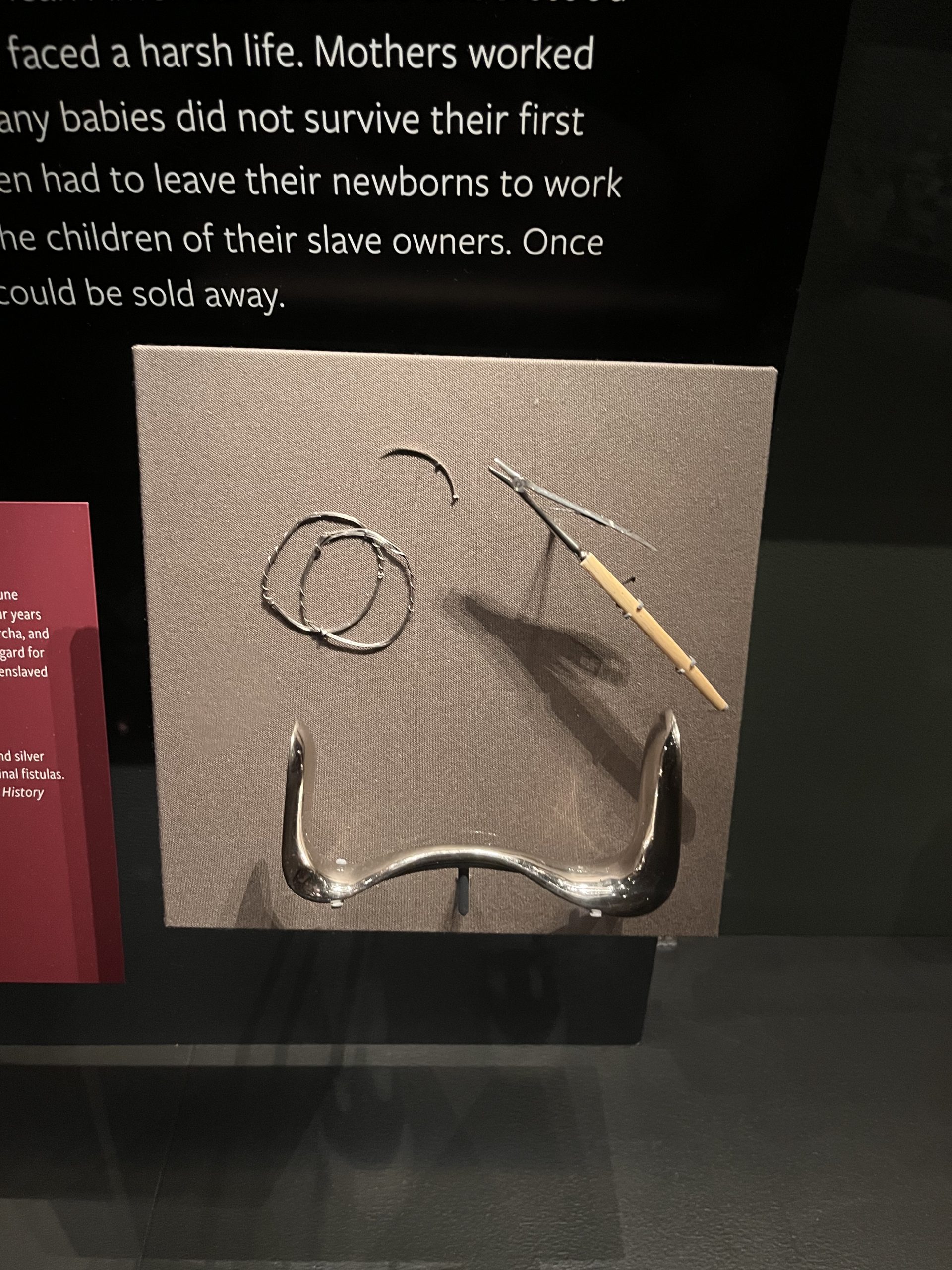
The museum also had the medical tools used by James Marion Sims for his research- the medical torture of enslaved women Anarcha, Betsey, and Lucy which would form the foundations of modern gynecology. This trip happened only days after Bucknell’s visit from Dana-Ain Davis, who spoke about the history of medical dispossession in relationship to obstetrics and gynecology, so to see actual equipment of one of the perpetrators referred to in that talk was chilling.
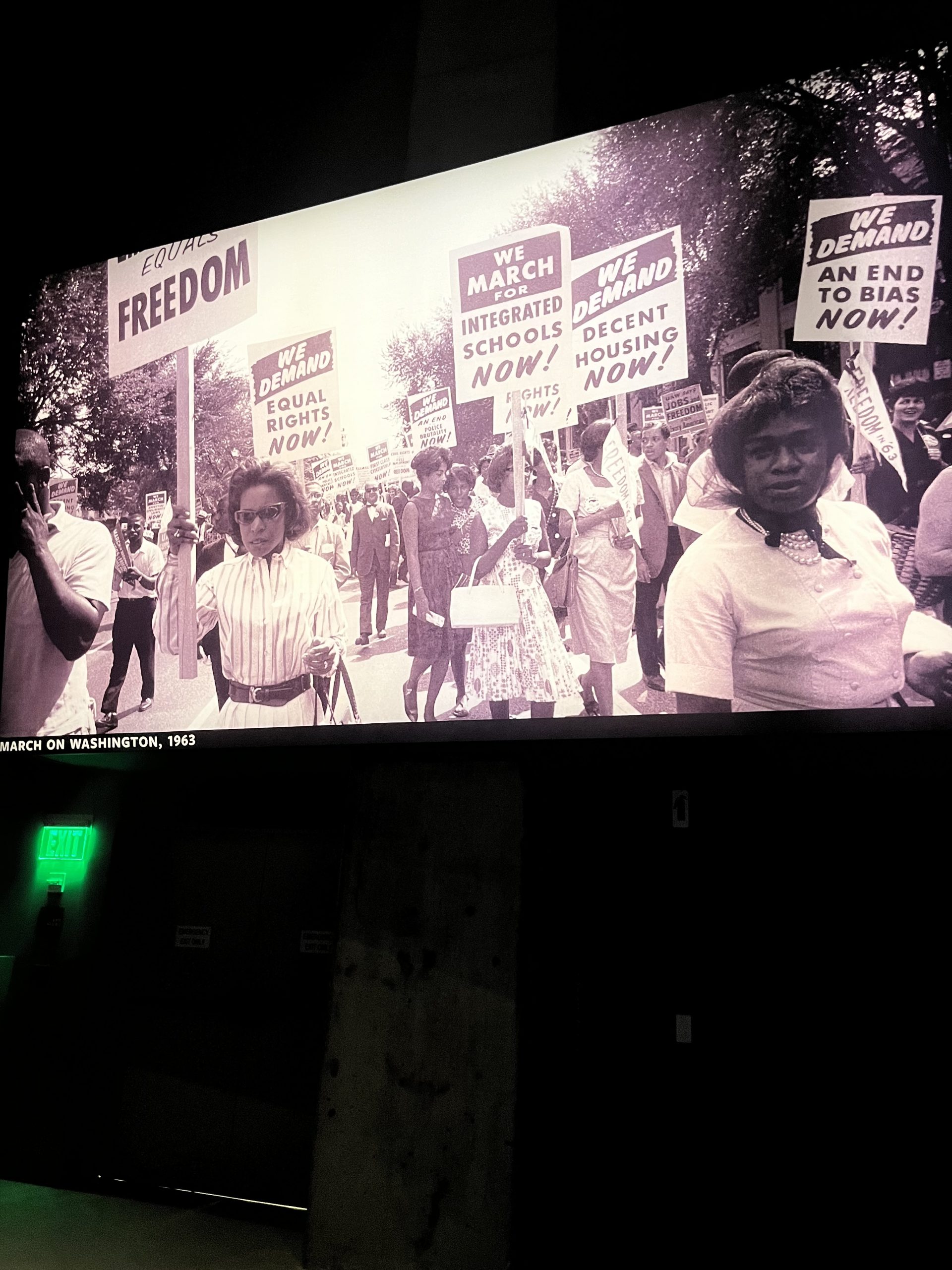
There was also lots of emphasis on success- the museum highlighted historical moments like the integration of schools, the success of the Oprah Winfrey show and the election of Barack Obama. These instances stand as important reminders that progress is possible, even though it may seem impossible from where one is standing currently.
After exploring the museum, my roommate and I went for lunch at Sweet Home Cafe, located inside the museum. This might take the cake for best museum food we’ve ever had. The Cafe rotates its menu semi annually, but keeps some staples available at all times.
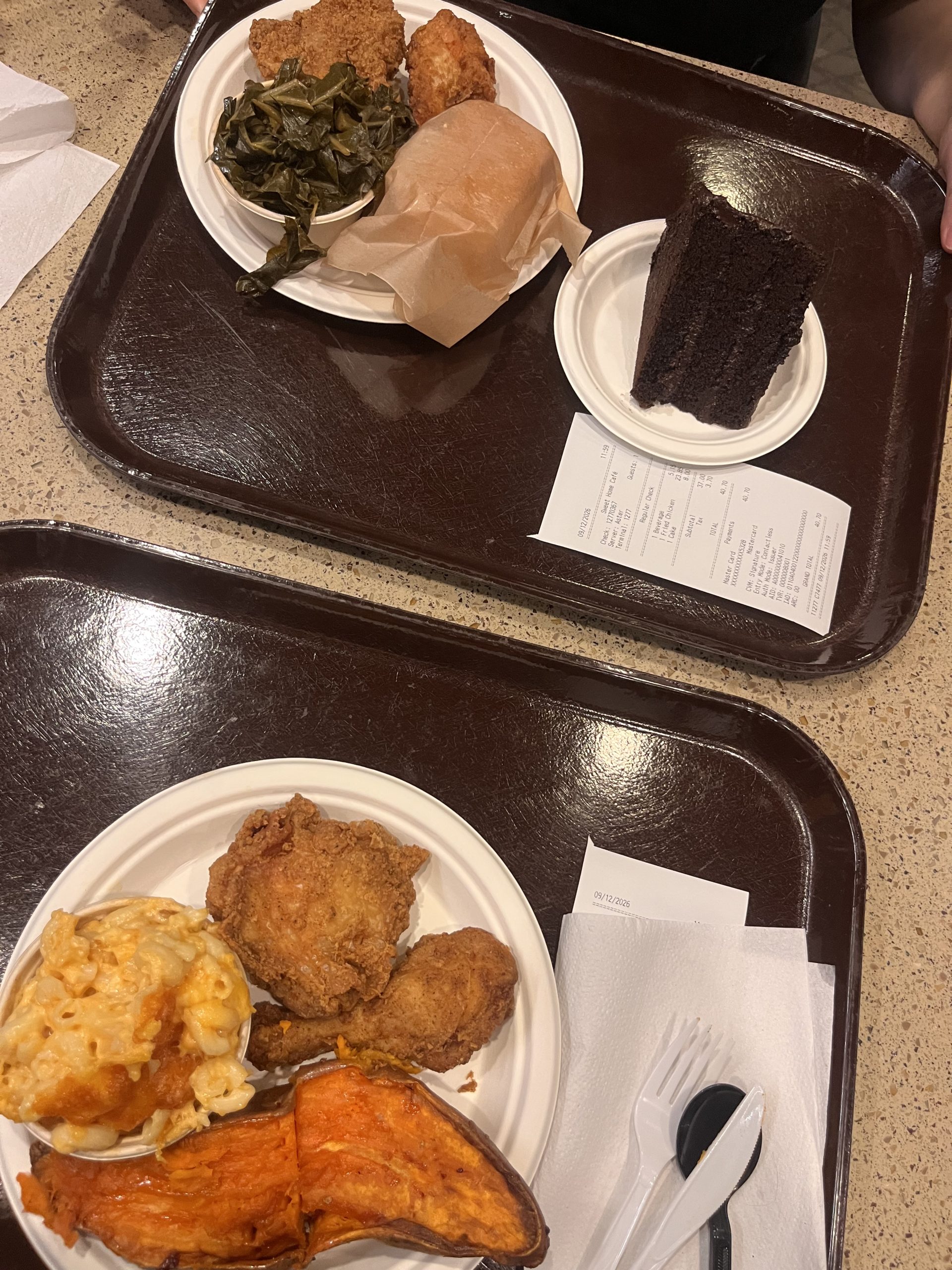
My roommate and I shared fried chicken, sweet potatoes, collared greens, macaroni and cheese, cornbread, and chocolate cake. We were incredibly full from all the delicious food, so thank goodness we were in D.C. with plenty of space to walk around and experience the city.
–Lily Hebda ’27