Picture this. You’re walking through the streets of a Latine country in South America or the Caribbean Islands. Your skin is embraced by the warmth of the sun, your ears by the sounds of city life and the symphony of the outdoors. Your nose, enticed by the scents of a culinary masterpiece, shares the invitation with your mouth, forcing you to salivate as you taste cultural wonders. But what do you see?
Choreographed by Dash Harris in 2010, Négro is a docu-series that explores the past and present attitudes surrounding race, color, self-identification, and social interaction among Latinxs from AfroLatinas, AfroLatinos, AfroLatines, Black Latinxs, and Latinos themselves. On October 30, I joined a few students in watching a subsection of the docu-series—a two-hour documentary filled with firsthand experiences from AfroLatinos across Latin America. These narratives highlight the complexity of belonging for people who often feel they must compete culturally for a place they were born into.
Early in the documentary, Harris interviews several individuals from Colombia. One conversation that stood out to me was with a worker in Bogotá advocating against excessive policing. He argues that people like himself were racially prejudged and watched simply because of their skin color, despite belonging just as much as anyone else.
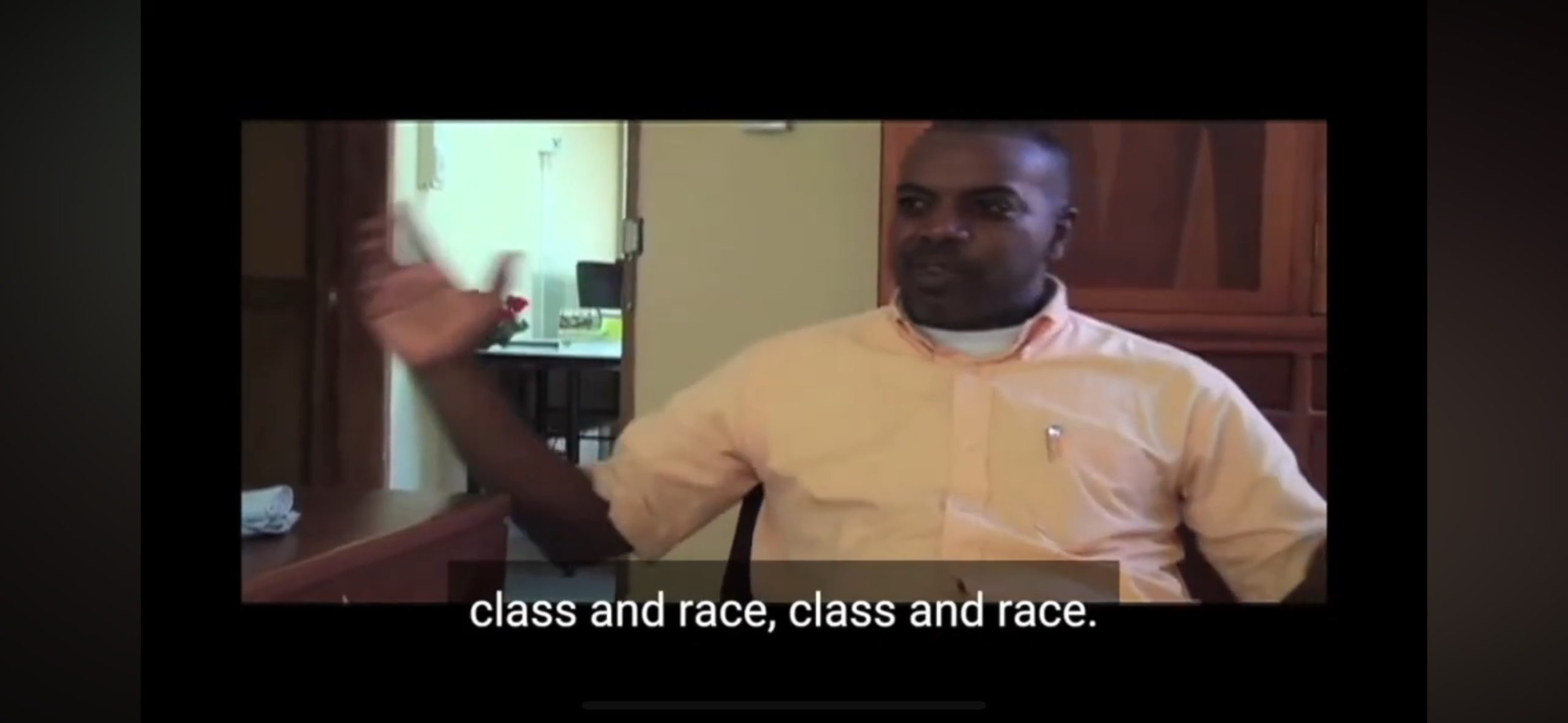
“People do not realize the blackness of Latin America; there are people in the U.S. who do not know that there are 150 million AfroLatinos, but Latinos do not know that either.”
— Interviewee Giovanni Cordoba, Technological University of Choco
This moment reflects a larger issue: the concept of “Black Latino” in the United States has long been distorted through systems like the U.S. Census. By creating labels such as “Hispanic,” government officials have blurred the racial realities within the Latino diaspora. This categorization leaves many unsure how to identify—ethnically Latino but racially Black, White, or Indigenous. It creates a false sense of unity and often encourages the erasure of Black ancestry in favor of aligning with whiteness.
Below is a sample of the interview between Dash and Bianca Vega, an Ecuadorian American:
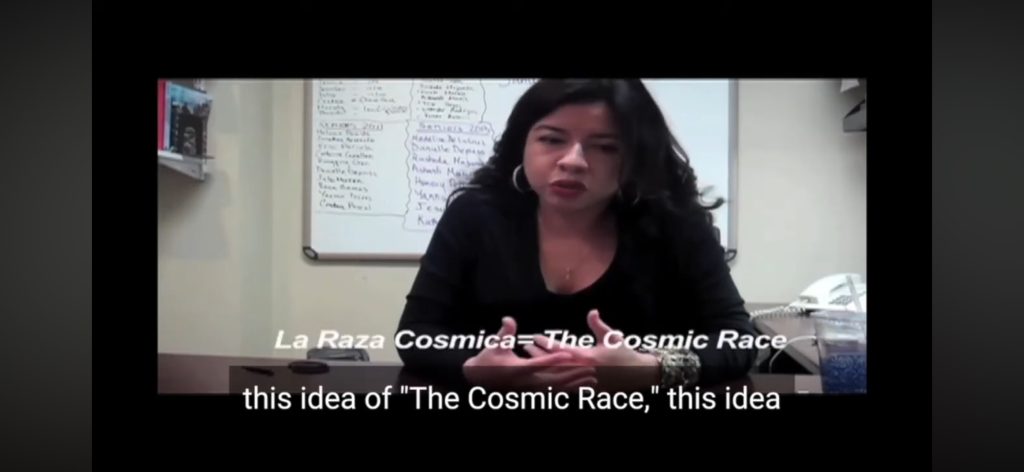
Harris: “Does the African ancestry or indigenous ancestry get degraded in favor of touting the Italian and the Spanish?”
Vega: “I wouldn’t say that it was degraded; I think that it’s more erased. It’s not spoken of. This has to do with a couple of reasons: being able to align yourself with whiteness and receiving the privileges that come with that, finding your native grandmother or black grandfather is not something you’re looking for, and most times you’re in search of some way to alleviate your own oppression, and often that means a history of whiteness.”
Harris: “So it’s to align yourself with the oppressors then?”
Vega: “I would say so, because again, what does that mean? It means better job opportunities; it means that ‘you’re not supposed to be here, you’re not supposed to be poor,’ you were once in Europe, and you were once someone who had status. ‘La Raza’—when you say ‘Raza,’ it’s not in the United States sense of race; it means power, status, so to come from ‘Raza Pura’ (Pure race) is not in the way we think of it in biological terms, but it means something of status.”
…
Vega: “Historically in Latin America, ‘Racism doesn’t exist,’ so this idea of ‘La Raza Cosmica’ (The Cosmic Race), this idea of ‘mestizaje’ (miscegenation), has affected our Latin American psyche in an interesting way. In the sense that we will say that we’re not White, but we also won’t say that we’re Black.
These exchanges reveal how deeply the ideas of mestizaje and La Raza Cosmica have shaped Latin American identity. Many people hesitate to claim either whiteness or Blackness—not because they lack cultural pride, but because history has conditioned them to see certain identities as more acceptable, safe, or socially advantageous. The psychological conflict Vega describes reflects how colonial legacies remain embedded in everyday identity choices.
As a Haitian American myself, I partially understand the internal tug-of-war many face when navigating identity. However, being AfroLatino is a particularly unique experience, marked by intersectionality both within Latin America and in the United States. The documentary emphasizes this duality, showing how AfroLatino families have reclaimed terms once used to diminish them. These redefinitions highlight Black qualities not as deviations from the norm, but as beautiful, foundational, and worthy.
What I found most impactful was not just the information presented, but the way the documentary allowed Afro-Latinos to speak for themselves. The creative framing, the directness of the interviews, and the geographic diversity made the storytelling feel both personal and expansive. While the documentary focuses on individual narratives, it also underscores a collective struggle: the fight to be fully seen.
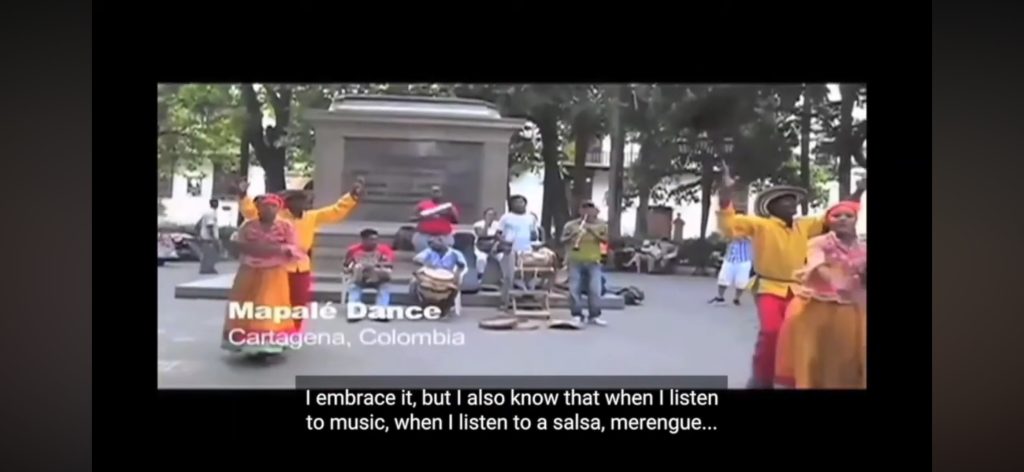
Moving forward, one takeaway for anyone whose ancestry is often minimized comes from the words of Crystal Roman, Founder of Black Latina Movement Productions:
“Once we start to understand that and not want to assimilate and say ‘its okay, im Latina’ and ‘I like the culture, I like the music, I love the food I embrace it’ but I also know that when I listen to music, when I listen to salsa, merengue, I know where that drum came from. I know that it came from Africa, and I’m comfortable saying that. Once you know those things, it changes everything for you.”
40-minute clip of Négro can be found here: